

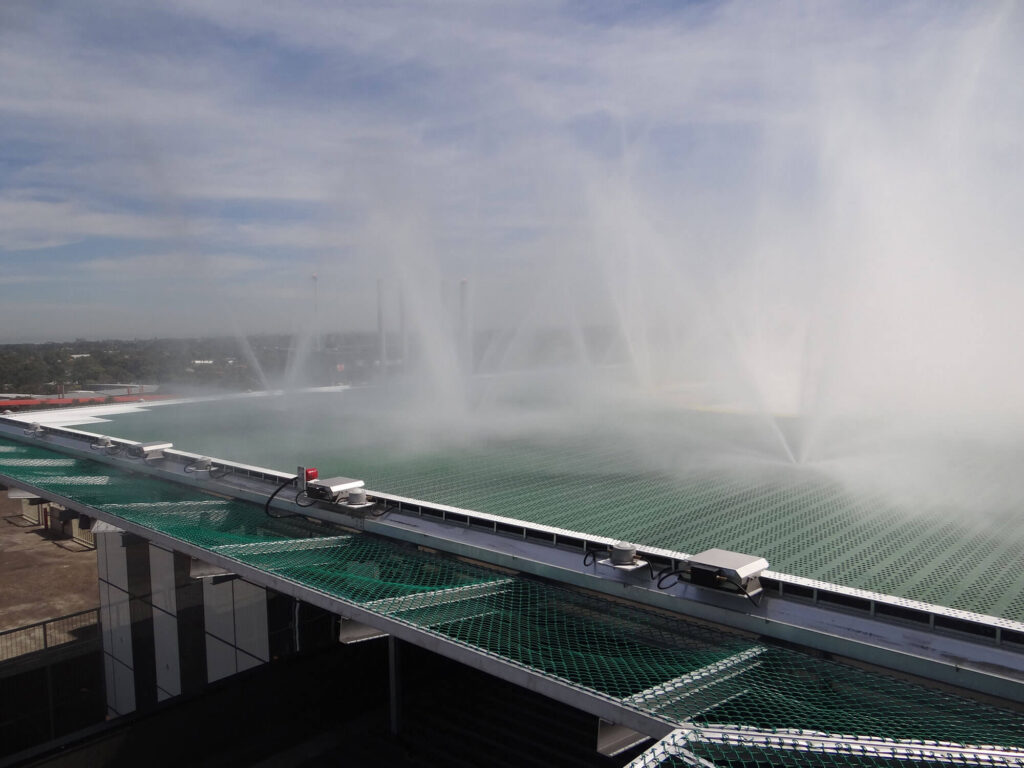
Offshore firefighting is a critical part of safety management on oil rigs and marine structures. These environments present unique challenges. They need specialized strategies and equipment for swift and effective fire emergency responses. Aluminium Offshore, a leader in marine structure design, integrates several advanced safety features into their helidecks. This boosts the platforms’ capability to support emergency operations.
The Role of Helidecks in Offshore Firefighting
Strategic Design for Emergency Readiness
Helidecks on offshore structures are not just landing areas. They are vital components of emergency response infrastructure. Aluminium Offshore designs these helidecks to facilitate quick and safe landings and take-offs. The design includes clear markings and obstruction-free pathways. These guide pilots during emergencies, ensuring firefighting teams can be deployed or retrieved without delays.
Integration of Firefighting Equipment
Built-in firefighting equipment is standard in Aluminium Offshore’s helidecks. This includes foam firefighting systems for flat-pated type decks and integrated fire suppression systems for Enhanced Safety™ type decks that quickly douse flames. These systems are easily accessible and operable, allowing rapid response in the critical first moments of a fire outbreak.
Compliance with Helideck Safety Standards
Adherence to Global Safety Protocols
Aluminium Offshore’s helidecks meet and actually exceed stringent international helipad safety standards. These standards dictate specific requirements for emergency operations. They ensure every aspect of the helideck, from structural integrity to emergency egress paths, is optimized for safety. Compliance with these standards boosts the efficacy of firefighting efforts and enhances the overall safety of the offshore structure.
Safety Features and Innovations
Key safety features include non-slip surfaces, adequate drainage to prevent pooling of spilled fuel or firefighting chemicals, and the incredibly effective passive fire suppression system. Moreover, Aluminium Offshore often uses innovative technologies like remote-controlled monitoring systems. These systems detect and respond to fire hazards automatically, further enhancing the helideck’s safety and effectiveness during emergencies.
Advantages of Aluminium in Firefighting Scenarios
Durability and Resistance to Fire
Aluminium structures are known for their durability and resistance to fire. This makes them ideal for offshore firefighting. Aluminium can withstand high temperatures and resist corrosion. It is a misconception that aluminium can burn or that it will melt easily. Aluminium has a thermal conductivity of 4.5 times that of steel and a specific heat factor of twice that of steel. Simply put, it is very efficient in handling heat by conduction and reflection. This contributes to the helidecks’ longevity and safety. This resilience ensures the structure remains intact and functional even under extreme conditions, providing a reliable platform for emergency operations.
Lightweight and Strong
Aluminium’s lightweight nature is another advantage in offshore helideck design. It allows for constructing large, robust platforms that do not heavily impact the offshore structure’s stability. This strength-to-weight ratio is crucial in emergencies, where additional firefighting equipment and personnel may need to be deployed.
Conclusion
Offshore firefighting is vital for maintaining safety on oil rigs and marine structures. Aluminium Offshore’s helideck designs show how integrating advanced safety features, adhering to strict safety standards, and using aluminium’s benefits can significantly enhance emergency response capabilities. Through these measures, Aluminium Offshore ensures their helidecks are not just landing pads but vital components of the offshore structure’s firefighting and safety strategy, ready to respond effectively to any emergency.