DECK-INTEGRATED FIRE FIGHTING
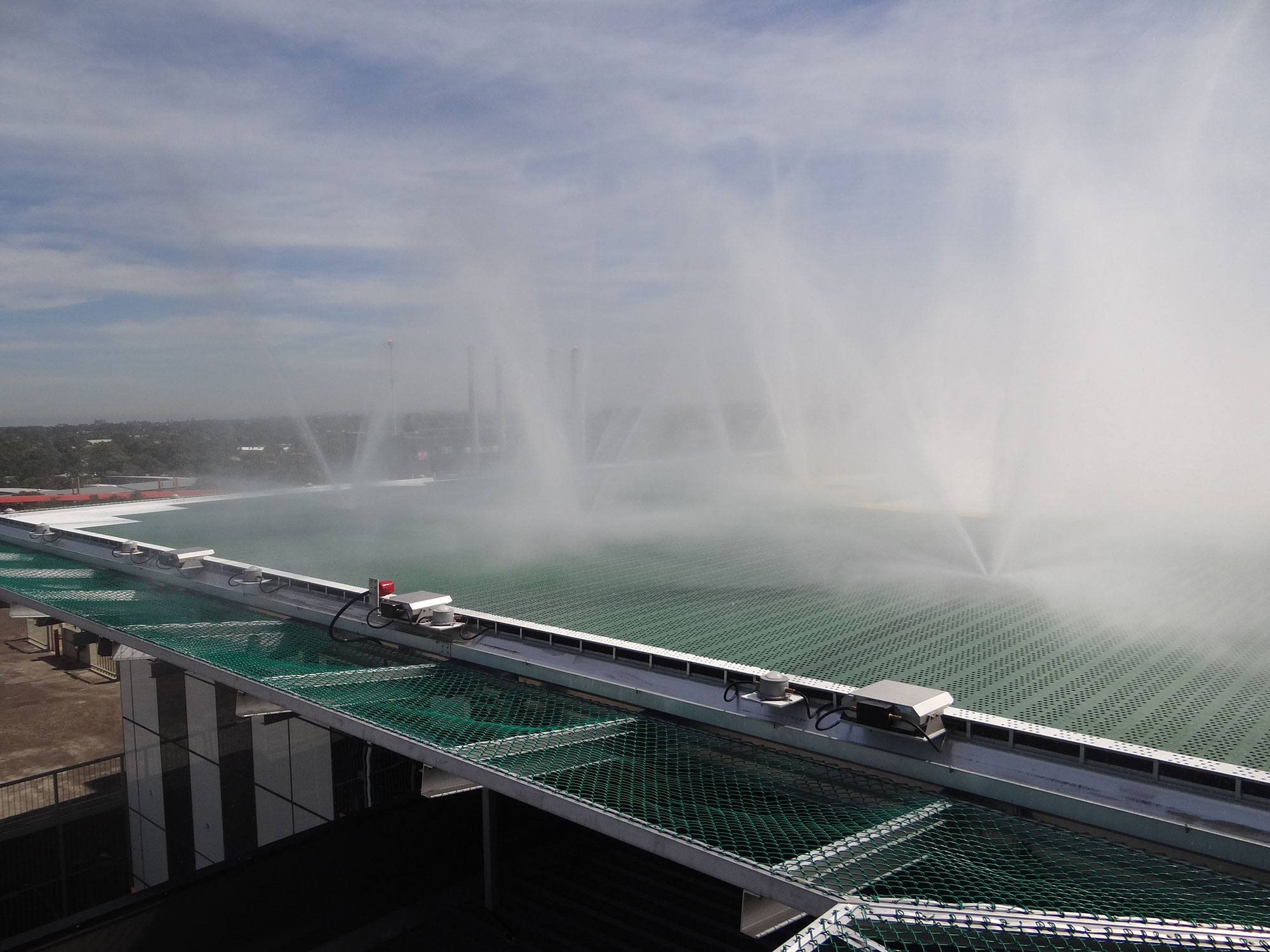
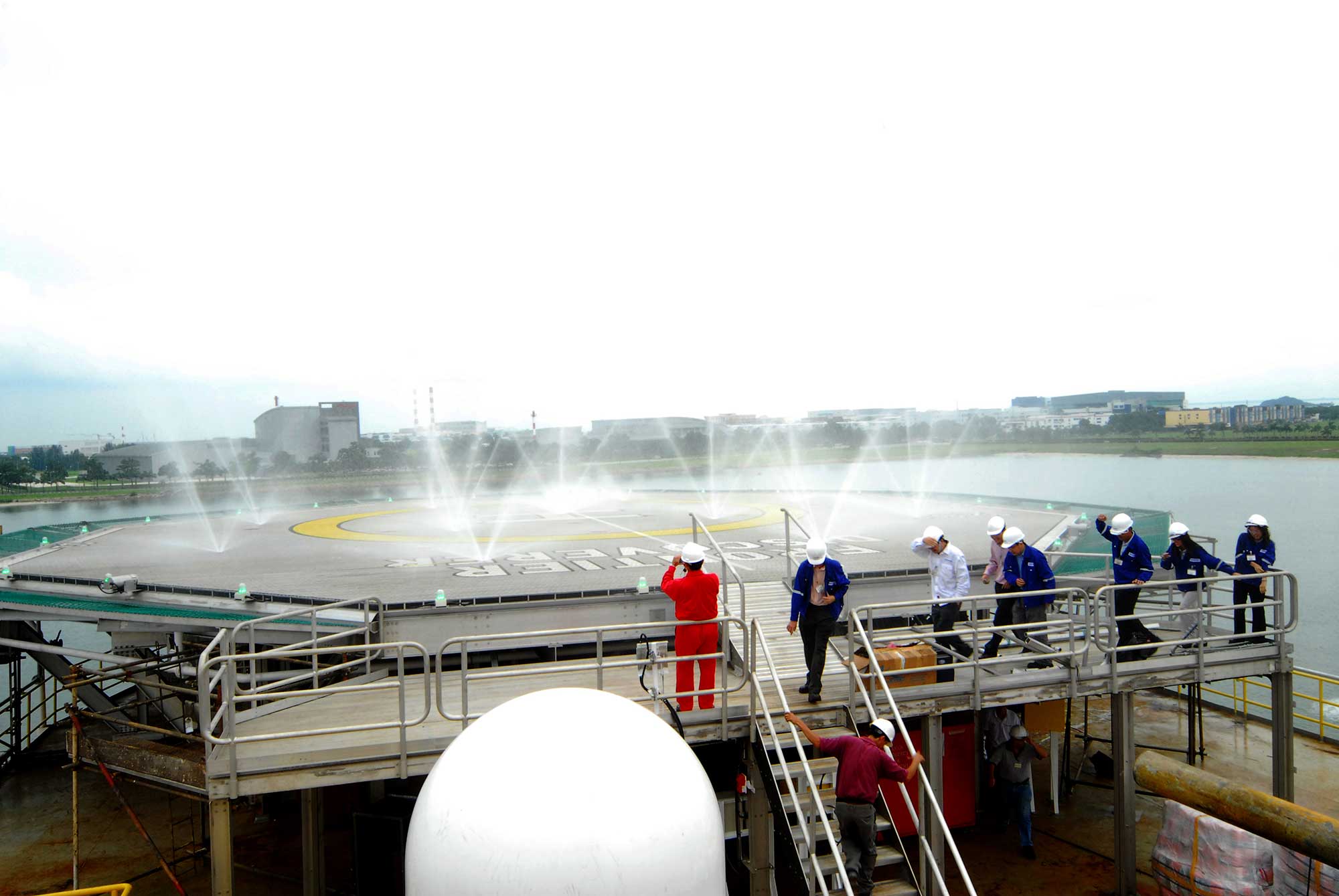
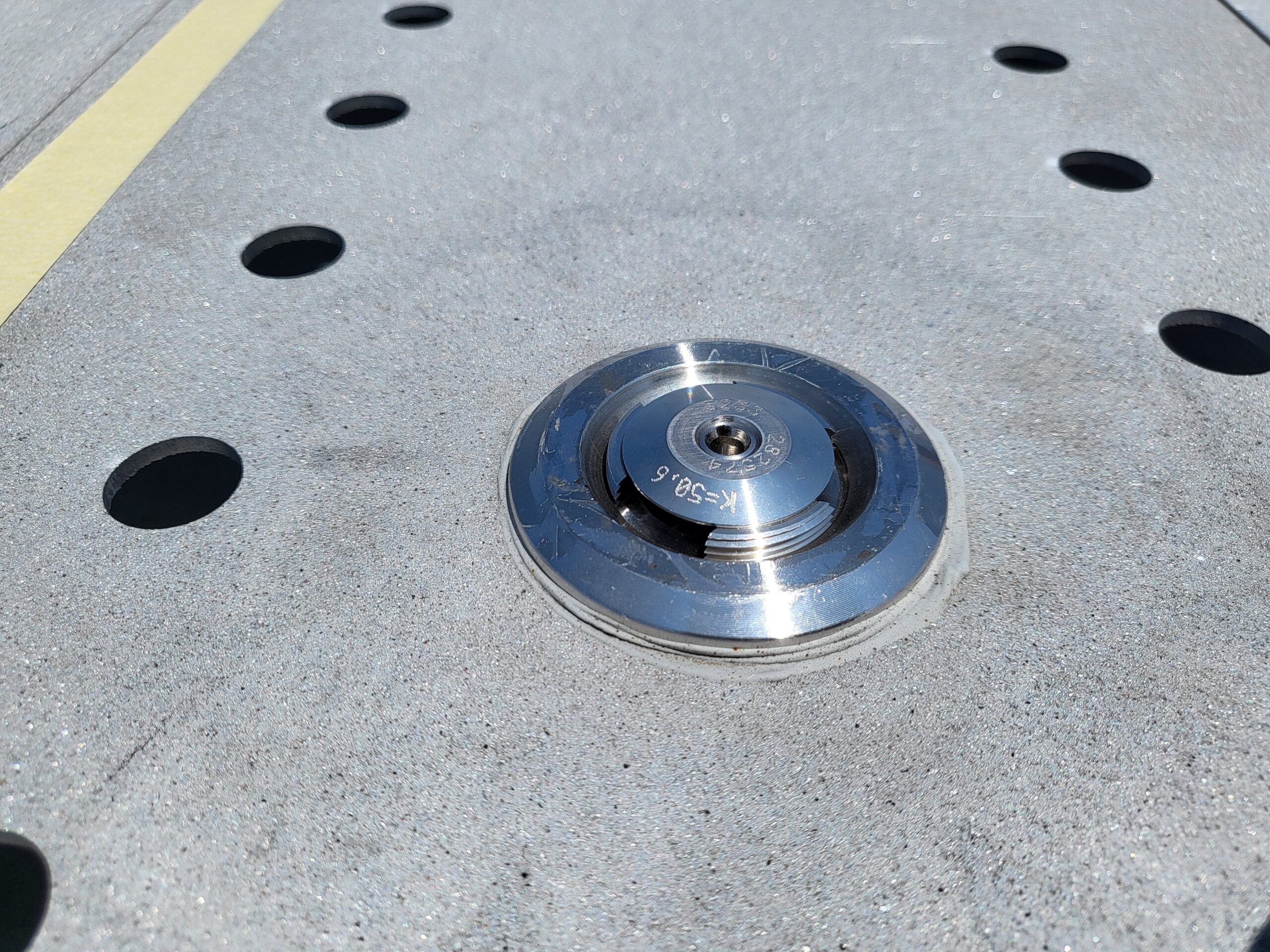
Our pioneering DIFFS unit replaces fixed foam monitors with sensor-activated spray nozzles, flush-mounted in the deck surface. Fire out in 4 seconds. Preferred under CAP 437 and ICAO. Available in foam or sea-water configuration.
4s
FIRE SUPPRESSION TIME
CAP 437 / ICAO
PREFERRED UNDER
Zero
HUMAN INTERVENTION REQUIRED
2
CONFIGURATIONS (FOAM / WATER)
WHY THIS EXISTS
For decades, helideck firefighting meant fixed foam monitors. Crew operate them manually, standing behind the monitors, fighting the deck fire while the helicopter crew try to evacuate passengers.
Wind affects coverage. Human reaction time costs seconds. Manual operation in a traumatic situation costs more. And the rescue and firefighting team, the people best positioned to extract crew from the aircraft, are stuck on the monitors instead.
DIFFS reframes the problem. The deck fights the fire automatically. The crew is freed to do what only they can do: get people off the helicopter.
THE SYSTEM
Pop-up nozzles sit flush with the deck when idle and rise only a few millimetres in use. No trip hazard, no interference with deck operations. UV/IR flame detectors monitor the surface continuously.
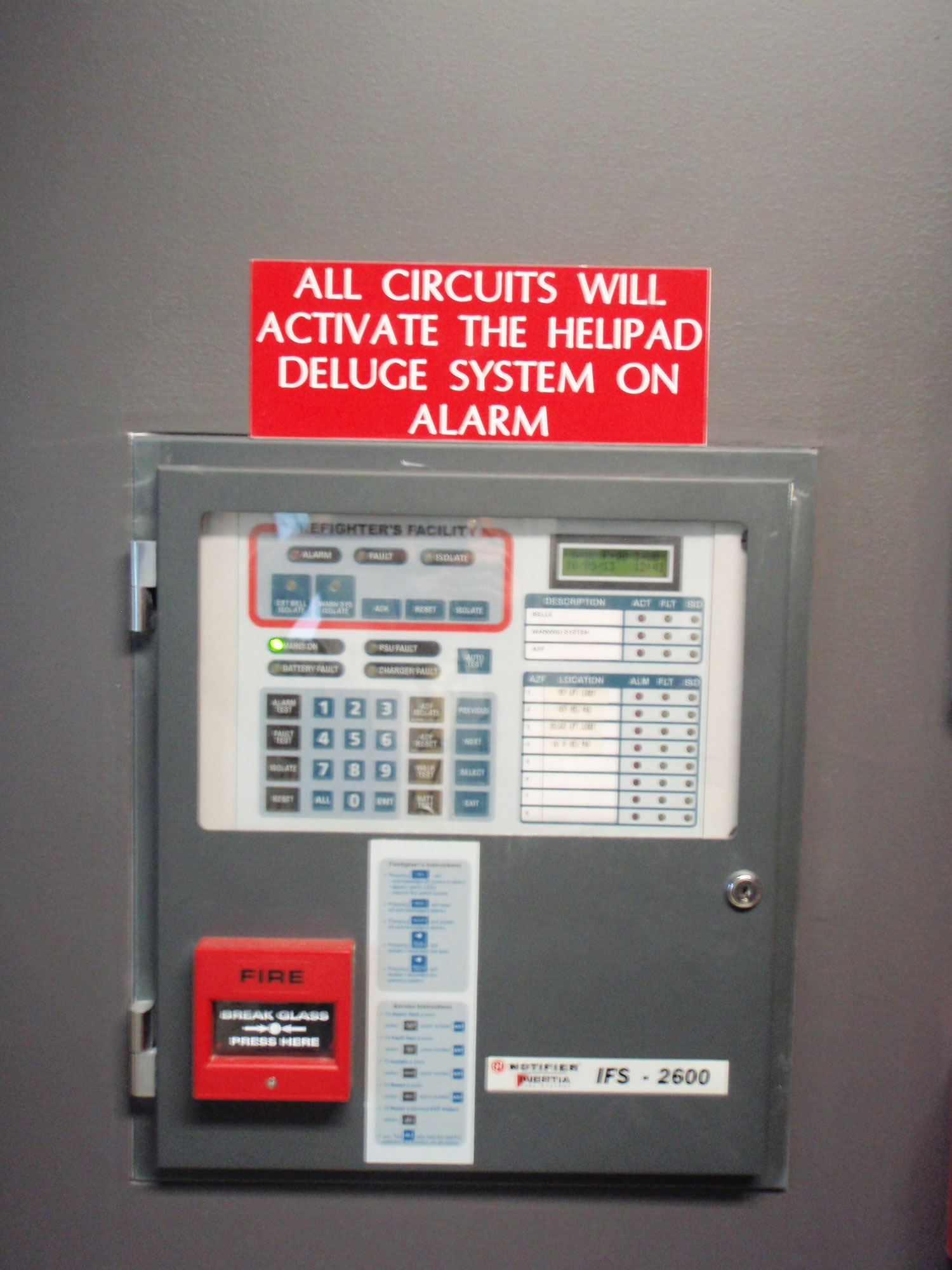
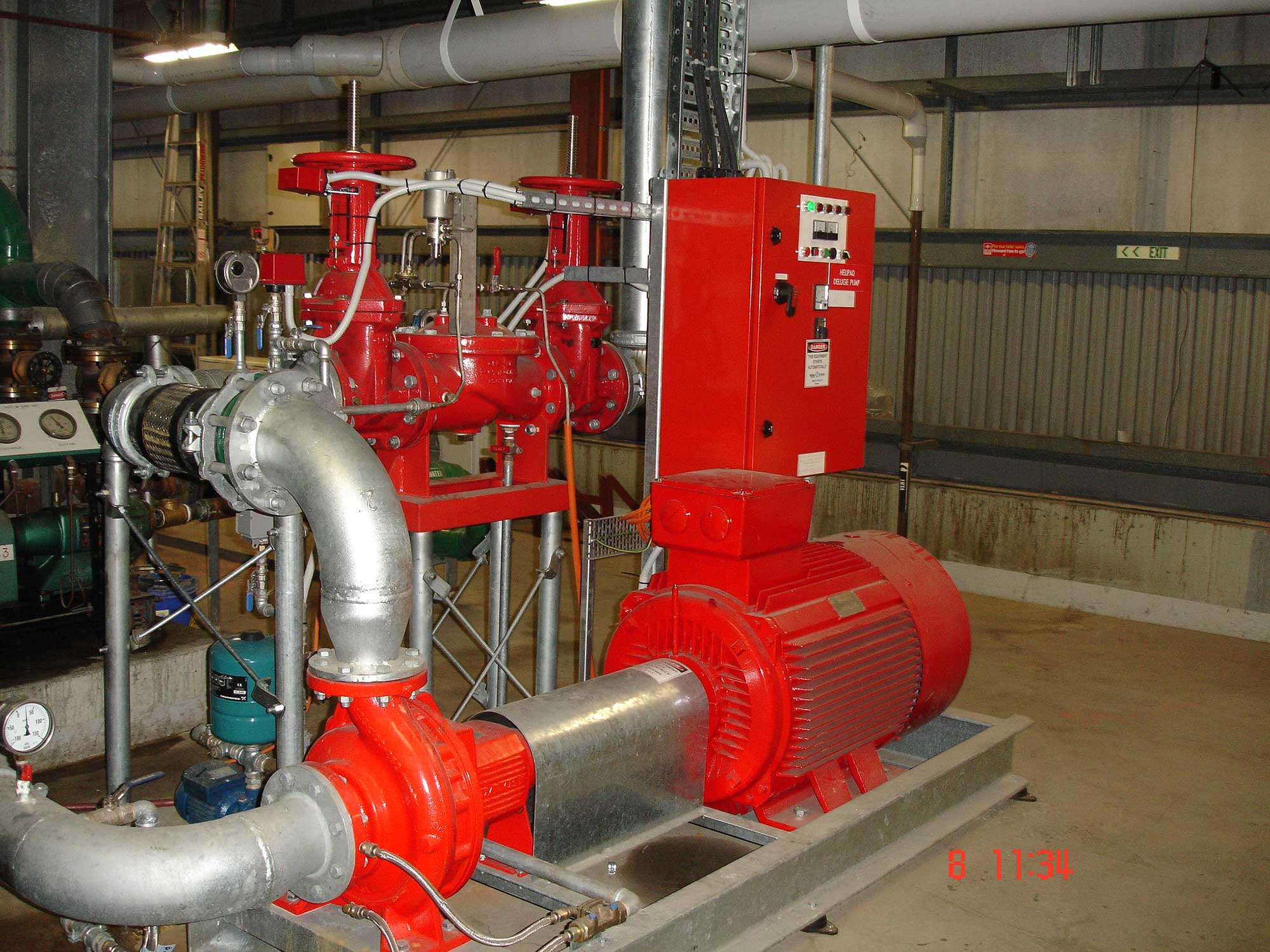
On detection, or on manual release from a remote station, the deluge valve charges the dry pipework and the nozzles deploy across the full deck. Foam concentrate is metered inline by turbine proportioner, so there is no separate pump and the mix stays stable for the whole discharge.
<4s
FIRE OUT WITH DIFFS
<11s
FIRE OUT, DECK ALONE
UV/IR
FLAME DETECTION
AUTO/MANUAL
ACTIVATION MODES
ENGINEERING ADVANTAGES
1. Crew freed for rescue
Spray activation runs concurrently with crew work on the deck. The rescue and firefighting team is freed from monitor duty to assist with helicopter evacuation.
2. No human reaction time
Sensor-activated. The system doesn't wait for a crew member to recognise, decide and act. Less chance of human error in traumatic situations.
3. Uniform coverage, wind-independent
Multiple nozzles spray evenly across the deck. Coverage isn't degraded by wind, and debris blocking individual nozzles doesn't compromise overall suppression.
4. Smaller deck footprint
Fixed firefighting platforms can be eliminated or reduced. The firefighting system is the deck.
CONFIGURATION
Standard DIFFS specifies foam — typically 3% AFFF, with 1% available — supplied via a turbine proportioner that delivers a stable foam mix throughout the discharge period.
For platforms fitted with our XE Enhanced Safety™ helideck, CAP 437 9th edition (Para 5.7) permits sea-water-only DIFFS to deal with residual fire burn. The passive fire-retarding deck does the primary suppression; DIFFS handles the residual.
Sea-water configuration delivers material savings on cost, foam concentrate procurement, foam disposal and lifecycle management, and is the greener specification for any new-build project.
SPECIFICATIONS
Design Standards
UKCAA CAP 437 9th edition, Ch 5 · ICAO Annex 14 heliport standards · Live fire tested to 2008 / 2009 CAA standards · Class-witnessed compliance testing
System Components
Electric-operated deluge valve · Pop-up corrosion-resistant spray nozzles, flush-mounted · UV/IR flame detectors · Remote manual activation stations · Deluge valve release panel · Foam storage tank (1% or 3% AFFF) · Turbine foam proportioner
Activation
Automatic (UV/IR detection) · Manual (remote stations) · Multiple activation methods on every unit · Standard configuration: automatic with manual override
Package Includes
Complete DIFFS skid · Firewater piping network · All nozzles, valves, sensors and controls · Foam concentrate (specified per project) · Full documentation · Class approvals · Installation supervision · Live fire test on commissioning where required
COMPLIANCE
UK Civil Aviation Authority CAP 437 9th edition, Chapter 5, Para 5.7, considers DIFFS to be the preferred method of delivery.
Our DIFFS are live fire tested to demonstrate compliance to the satisfaction of the appropriate authority.
Unmanned installations are best served with our XE Enhanced Safety helideck — paired with a water-only DIFFS.
UKCAA
ICAO
DNV
Lloyd's Register
ABS
CAP 437 9th edition
CAA Live Fire Tested
IMO
ALSO SUPPLIED
For projects where DIFFS is paired with traditional firefighting equipment, or where local code requires monitor-based suppression, we supply the full deck firefighting and rescue specification.
Foam Monitors
Fixed and portable foam monitor systems specified to CAP 437 and Civil Aviation Code requirements, where DIFFS is not the selected primary system.
Complementary Media
Dry chemical, secondary foam supply and emergency response media supplied per platform specification.
Rescue Equipment
Crew rescue equipment, breathing apparatus, fire-retardant suits, manual extinguishers and deck rescue tools to operator and class specification.
Documentation
Enquiries
Tell us about the deck size, platform type and operating standard. We'll come back to you within two working days.