Protected by international patents
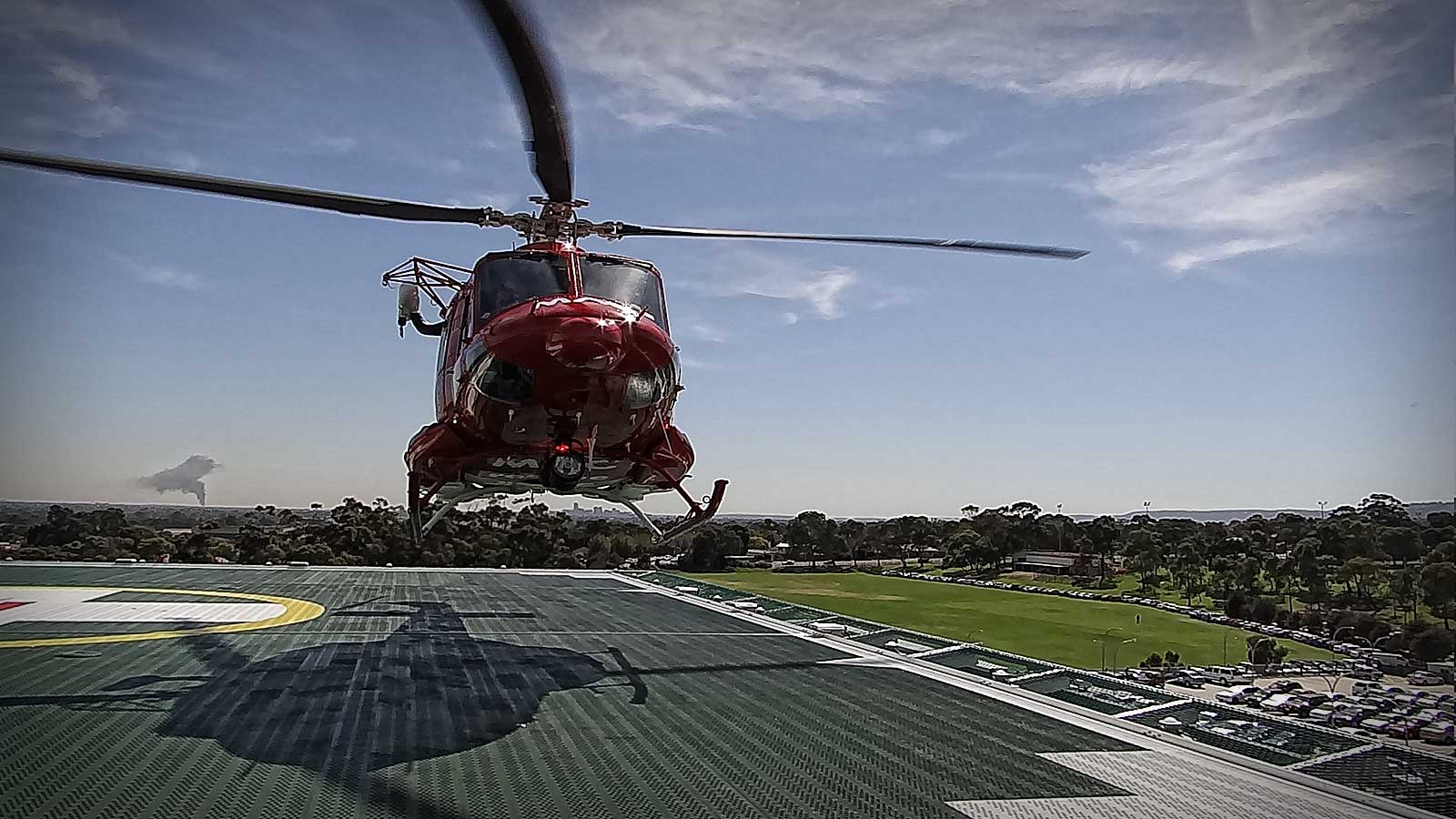
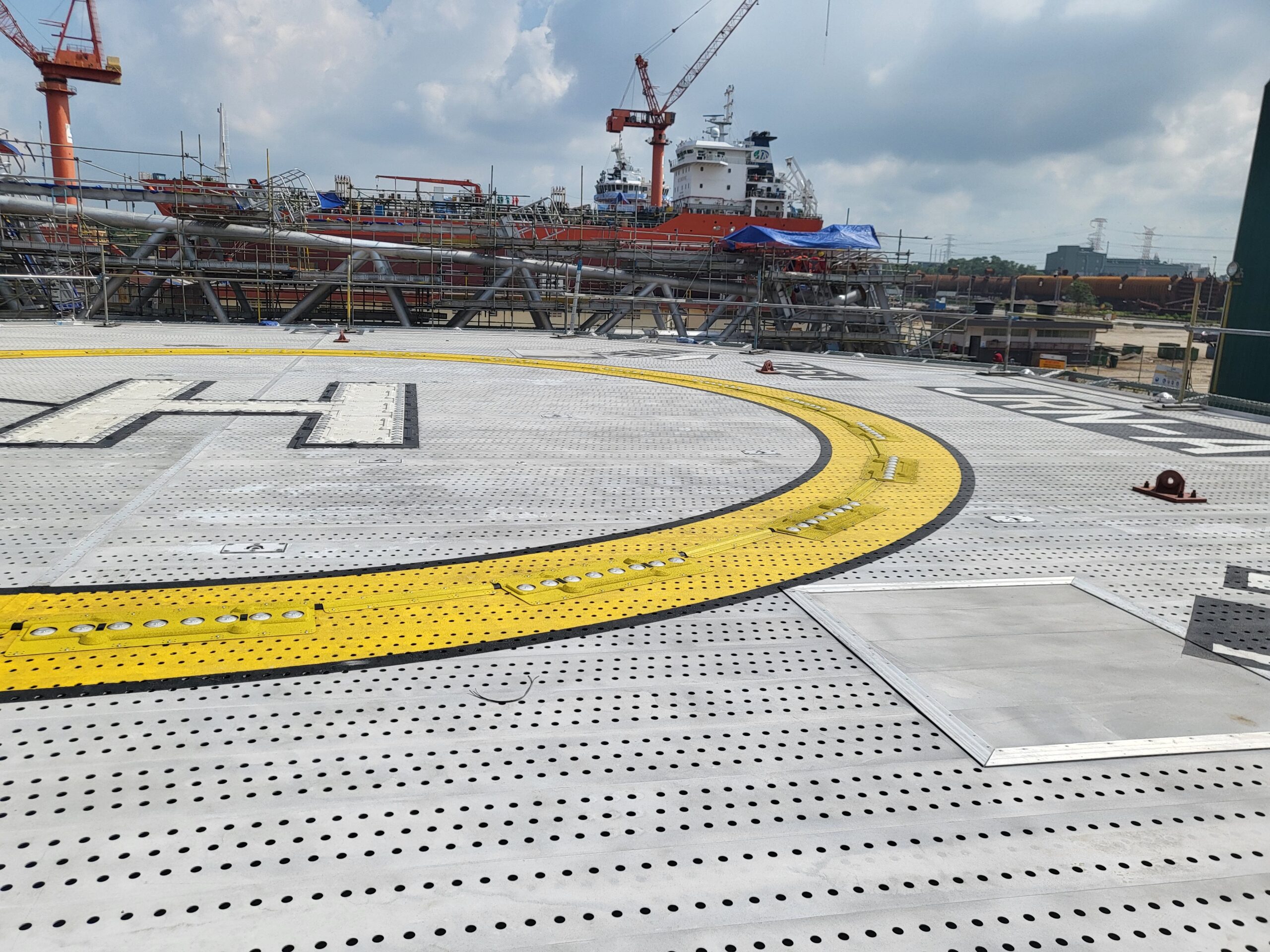
Our flagship aluminium helideck, with a built-in passive fire suppression system engineered directly into the landing surface. Certified to CAP 437 and ICAO Annex 14 heliport standards.
170+
DELIVERED SINCE 1988
6082
Primary alloy
Decades
Service life
PATENT PROTECTION
Granted patents covering the XE Enhanced Safety™ passive fire-retarding deck: the perforated surface that drains burning fuel away from the landing area. Every number below is published and independently verifiable.
Europe
EP3471840B1 · Granted · Validated in France, Great Britain, Netherlands and Norway
Denmark
DK3471840T3 · Granted
Germany
DE602016076293.5 · Granted
United States
US11686056B2 · Granted 2023
Australia
AU2016412143B2 · Granted
South Korea
KR102375842B1 · Granted
Malaysia
MY191706A · Granted
Singapore
10202012232R · Granted
WHY THIS EXISTS
The most critical moments of helicopter operation are takeoff and landing. An accident at either stage can rupture fuel tanks and release hundreds of gallons of jet fuel onto the deck.
On a solid-plate helideck, that fuel ignites and stays ignited. Crew attention splits between fighting the deck fire and rescuing passengers from the aircraft. On unmanned platforms, where firefighting capacity is limited and outside response is hours away, the outcome is largely determined by the deck itself.
XE Enhanced Safety™ reframes the problem. The deck doesn't ask the crew to fight the fire. The deck fights the fire.
THE PATENTED SYSTEM
Burning fuel passes through engineered holes in the deck surface at a rapid rate, immediately retarding and extinguishing the fire, while aluminium's high thermal conductivity is able to quickly channel heat away at th same time. A full-perimeter sub-surface drainage channel routes the spill away before vapour can reignite. In tests attended by UKCAA, ICAO, DNV, Lloyd's Register and ABS, a 450-litre jet fuel fire was controlled in under 11 seconds with no intervention. With a water-only DIFFS unit, the same fire was controlled in under 4 seconds.
The system is fully passive. No power. No foam. No reaction time.
ENGINEERING ADVANTAGES
1. Passive operation
No power. No foam system needed. Built into the decking.
2. CAP 437 sea-water dispensation
Under CAP 437, XE installations are permitted to use sea water in place of foam for DIFFS. Lower install cost, lower lifecycle cost, no foam disposal.
3. Maintenance free
No moving parts, no consumables, no annual recharge. The system is the deck.
4. Retrofit ready
Existing steel substructures can be retained. Only the deck and drainage system need replacing.
SPECIFICATIONS
Design Standards
UKCAA CAP 437 / Norsok / ICAO Annex 14 · BS EN 1999 / Classification society requirements · Bespoke engineering to operator specification
Materials
Primary and secondary structure: AA6082-T6 marine alloy · Fasteners: SS316 · Safety net infill and tie-downs: marine grade aluminium
Fabrication & Assembly
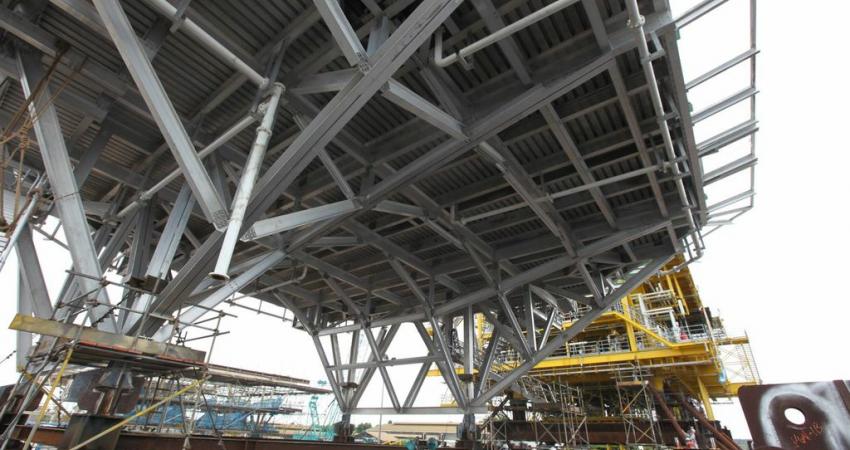
Pre-fabricated and shipped knocked-down in containers · Bolted assembly only, no on-site welding · Trial-fit at our Singapore yard before shipping · Site supervision included
Package Includes
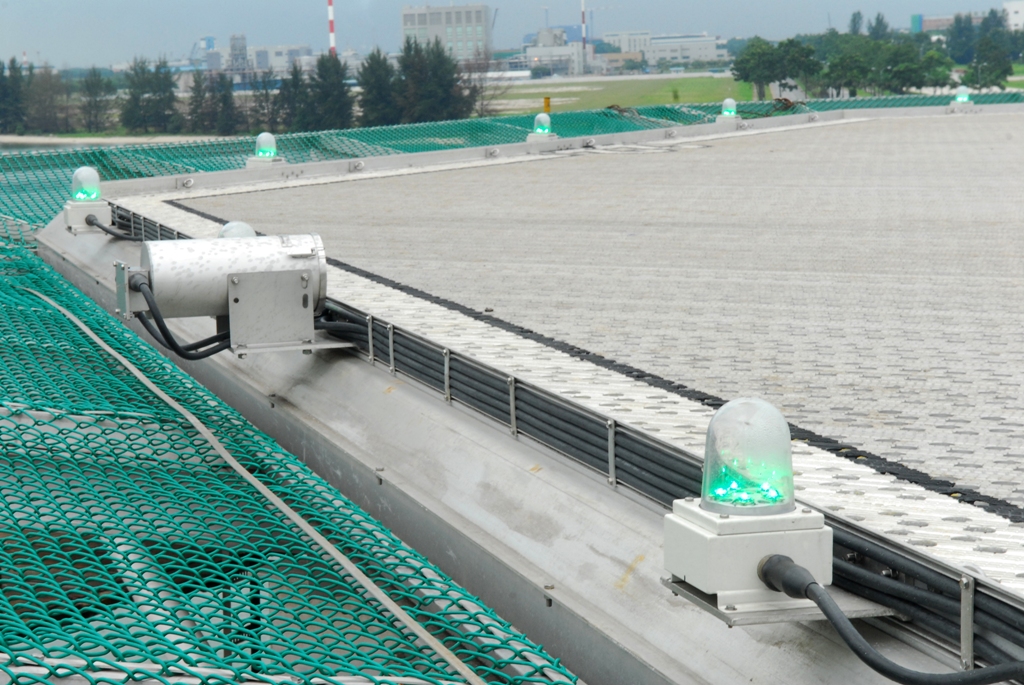
Main beams and heli-decking panels · Perimeter safety net and drainage system · Helicopter tie-downs and built-in cable management · Steel-mating transition joints · Full documentation, classification approvals, installation supervision
INDUSTRY ACCEPTANCE
Tested in the presence of and accepted by:
UKCAA
ICAO
USCG
NMA
Norsok
DNV
Lloyd's Register
ABS
"I was personally impressed by the thinking behind the fire containment properties of the helideck to provide passive safety on its own."
Bernard Valois
Chairman, Rescue & Fire Fighting Working Group, ICAO
PRODUCT FAMILY
Both decks share the same fabrication, materials and approvals. The difference is whether passive fire suppression technology is built into the surface.
XE Enhanced Safety™
The flagship. Passive fire suppression built into the deck surface.
XD Standard
Same engineering, same modular design, no patented suppression system.
Choose XE when:
Choose XD when:
The platform is unmanned or remote
Full DIFFS infrastructure is already specified
The application demands strict CAP 437 compliance
The platform has on-site firefighting capacity
Reducing DIFFS to sea-water-only matters for cost or environment
Manned platforms with established response protocols
Hospital, urban or rooftop deployments with strict fire codes
Budget is the primary constraint and steel-vs-aluminium weight savings are the main driver
Documentation
Enquiries
Tell us about the platform, helicopter type and operating standard. We'll come back to you within two working days.